What the Rail Regulars Wear: A Newmarket Dress Code Without the Costume
The myth starts at the front gate
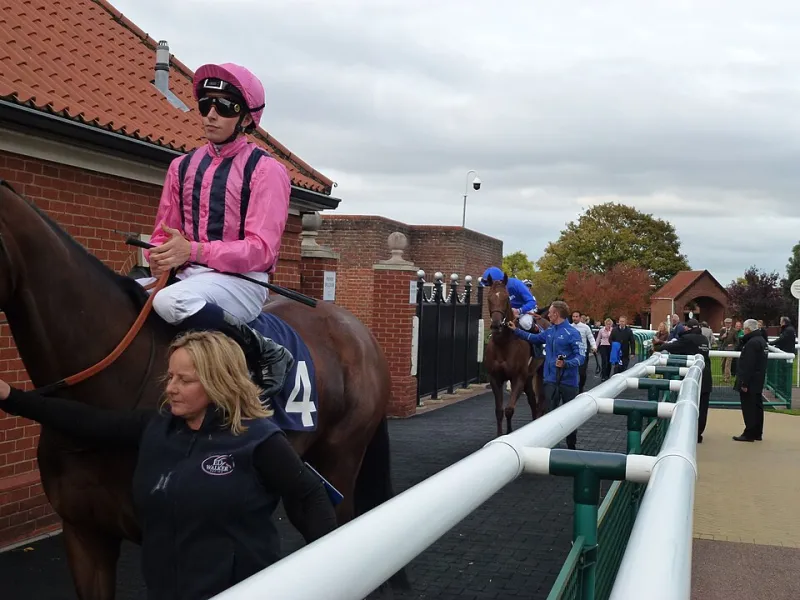
Somewhere between the ticket email and the first step onto the course, a lot of first-timers convince themselves that Newmarket requires a costume. Tweed jacket. Patent shoes. A hat that has to be carried rather than worn. It is an understandable fear, because racing photography has a habit of showing only the two most photographed minutes of the day: the parade ring and the winner's enclosure.
The reality on the rail is far less staged. Newmarket in 2026 is a working race town, not a costume drama. Regulars dress for a long day outdoors, a fair amount of standing, a bit of walking and weather that can change its mind between the car park and the first race. The aim is not to look wealthy. It is to look as if you have been outside before and expect to be outside again.
Smart casual is the real baseline
Across the public enclosures at the Rowley Mile and the July Course, the useful phrase is smart casual. That means clean, tidy and deliberate rather than formal. Dark jeans without holes, a shirt or a good knit, chinos, a simple dress, a jacket you can actually move in — all of it works. You will see more quilted gilets than waistcoats, more trainers than brogues, and more practical waterproofs than you might expect from the television coverage.
There are exceptions, and they tend to come from the ticket rather than the track. Hospitality, a private box, a sponsor's lunch or a reserved restaurant table may set its own dress code. If your invitation mentions one, follow it. If it does not, do not invent a stricter rule than Newmarket has. The course is not lying in wait to mark you down for wearing the wrong shoes. It is far more interested in whether you have a good afternoon.
Shoes: the one place to be genuinely ruthless
If you take one piece of advice from this guide, make it this: choose shoes for grass, gravel and a long walk back to the car. Newmarket is not a paved shopping centre with a racetrack attached. The July Course has plenty of grass underfoot, the Rowley Mile has long stretches between the enclosures and the rail, and a damp morning can leave the ground soft even when the sun arrives by lunchtime.
That rules out anything with a narrow heel you have not tested, anything brand new and anything you would mourn if it met a muddy patch. Clean, comfortable trainers are fine in most public areas and increasingly normal among regulars. Leather boots, loafers, flat sandals with a proper sole and weatherproof walking shoes all do the job. The old rule about trainers being refused belongs more to folklore and the stricter corners of hospitality than to a normal Newmarket Saturday.
Layers, not armour
A race day is long. You may arrive in a cold wind, stand in a sunny spell, sit in a shaded grandstand and leave in a drizzle. The regular's answer is layering: a base that breathes, a warm middle and a top layer that keeps out wind and rain. A lightweight waterproof shell is worth more than a heavy coat you have to carry by noon.
For autumn and early spring, a fine knit, a scarf and a jacket that stops the Heath wind are ideal. In summer, linen, cotton and a light jacket or overshirt are enough for most days, with a packable rain layer for the walk between paddock and rail. Avoid anything so precious that you spend the afternoon protecting it rather than watching the racing.
Hats, bags and the small practical stuff
Hats are optional unless an invitation says otherwise. A fedora, a flat cap or a wide-brimmed sun hat is useful in bright weather; a beanie is sensible in winter. The full race-day headpiece belongs mainly to Ladies Day at the July Festival and to weddings that happen to have horses attached. Do not feel underdressed without one.
Bags should be easy to carry and easy to keep close. A crossbody bag or a small shoulder bag beats a large handbag that leaves you one hand short for a racecard, a drink or a betting slip. Backpacks are common and practical, but keep them compact and tidy if you are in a smarter enclosure. Bring a foldable waterproof, sunscreen, a hair tie if the wind is up, and a spare layer for the evening. Newmarket regulars are not minimalists by accident; they have simply learned what the weather can do.
The two fixtures where dressing up genuinely matters
There are days when the course tilts a little more formal. Ladies Day at the July Festival is the obvious one: hats, summer dresses and a bit more effort are part of the occasion, though even then you will see plenty of smart, comfortable alternatives. The Guineas Festival has a sharper, spring-dressing feel, especially in hospitality and the Premier areas, but it is still a long way from Ascot's Royal Enclosure.
If you are going to either, dress up in a way that still lets you walk, stand and use a flight of steps. A hat that hurts by race three is not a good hat. A dress that needs constant adjustment is not a good dress. The best-dressed regulars are the ones who look settled, not the ones who look pinned into place.
A simple 2026 checklist
Choose comfortable shoes with grip. Wear a layer you can remove. Bring a waterproof that folds small. Keep your bag close and your hands free. Add a hat for sun or cold, not for obligation. Check your ticket for any hospitality dress code, and otherwise trust the smart-casual baseline. Newmarket is smarter than the nervous first-timer fears and far less formal than the old photographs suggest. Dress like you are going to spend a day outdoors — because you are.