The Minutes Between the Roars: A Newmarket Race-Day Clock Guide
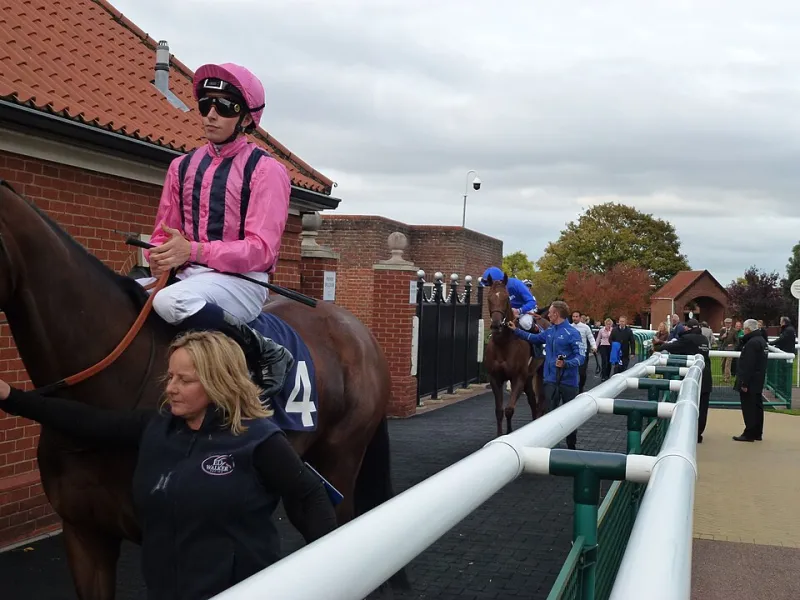
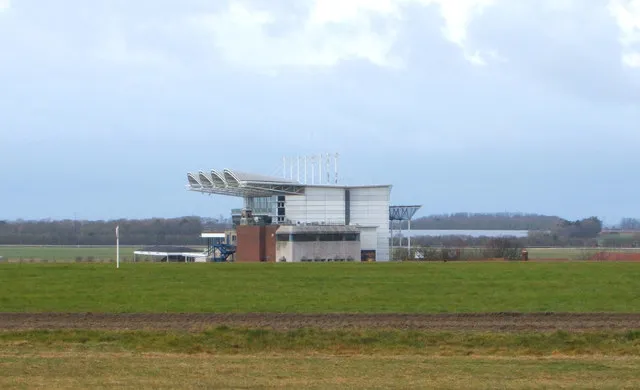
Photo: Richard Humphrey , CC BY-SA 2.0, via Wikimedia Commons
Most people plan a day at Newmarket by looking at the races. That is sensible, but it is only half the story. The real shape of the afternoon is set by the gaps: the 25 or 30 minutes between the field passing the post and the next contest getting serious. Treat those gaps as dead time and you spend the day in queues, missing parades and arriving at the rail just as the tapes go up. Treat them as a small timetable of their own and the whole day feels easier.
Start with the card, not the clock
Before you leave the house, look at the race times properly. Count the races, note the feature contest and work out where the likely crushes will be. A Newmarket card can look gentle on paper and still feel frantic once the bars, betting ring and parade ring all fill at once.
The Rowley Mile and the July Course have different rhythms and different geography. Know roughly where the parade ring sits, where the main betting areas are, where the toilets are and which route takes you back to the rail without fighting the crowd. Pick two home spots: one for watching the parade and one for watching the race. Everything else is a detour from those two points.
The first ten minutes after a race
As soon as the horses pass the post, the crowd starts to move. Some people surge towards the exits, some towards the bars and some towards the betting ring. Do not simply join the biggest flow. Let the result settle in your head for a moment, then choose one primary task.
If you need the toilet, go immediately. This is not glamorous advice, but it is the single most reliable queue-beater on a race day. If you need to place a bet, head for a bookmaker away from the main walkway rather than the first one you see. If you want the parade ring, move there while most of the crowd is still watching the replay on the big screen. The mistake is trying to do all three. You will do none of them well.
Betting: before the parade, not after
Place your next bet before the parade ring, not on the way to the rail. Yes, the odds may move. Yes, you might prefer to see the horses first. But the queue stress is usually worse than the small price risk, especially on a busy Saturday or a feature day.
Use the app if the signal is behaving, and use cash or a written slip if it is not. Have your stake plan sorted before you join the queue. Fumbling for coins while the person behind you sighs is not part of the Newmarket experience anyone needs. If you are in a group, send one person to bet while another holds a spot at the parade ring. That is not queue-jumping; it is teamwork.
Parade ring with an exit plan
The parade ring is where the day slows down in the best way. It is also where time disappears. Horses arrive roughly ten to fifteen minutes before the race, and the ring can get packed for the better contests.
Watch the pre-parade if you can, then take up a position near the exit that leads towards the track. Leave the ring with about five minutes to spare. That gives you time to walk, find your spot and still see the field start to canter down. If you stay until the last possible moment, you will be joining a slow-moving crowd just as the next race begins to take shape.
Food, drink and the queue economy
Queues at Newmarket follow their own weather system. They spike after the feature race and just before the biggest contest on the card. Eat earlier or later than the crowd, not when everyone else has the same idea. Use the smaller outlets, share the errands and bring a snack if you know you get grumpy between races.
If you are drinking, alternate with water. A pint is part of the day for many racegoers, but ordering a round at the last minute is how you miss the start. Send one person for drinks while another watches the parade. Meet at a fixed point, not a vague one. By the parade ring exit is a plan. Somewhere near the bar is not.
Trackside position: the five-minute rule
Decide where you want to watch the next race before you leave the parade ring. The rail near the finish is popular for obvious reasons, and crossing points can close as the crowd builds. If you want a close view, arrive five to eight minutes before the start. If you are happy with a bigger picture, hang back and let the rush pass.
Keep an eye on the going, the wind and the light. Newmarket is wide and open, and a spot that feels fine in the parade ring can feel exposed on the rail. A lightweight scarf or a decent jacket is never wasted. Neither is a pair of binoculars if you like to follow the field rather than just the finish.
When the clock breaks
Delays happen. A photo finish, a stewards enquiry, a loose horse or a change in the weather can all stretch the gap between races. Do not sprint. Use the racecourse app or the public address to work out what is happening, then re-plan. If the next race is delayed, you may have time for the toilet or the bar after all. If it is brought forward, forget the queue and get to the rail.
The race-day calendar is not just a list of start times. It is a series of small windows, and the best days out are won in the minutes between them. Watch the race, then own the gap.