The Fixture Chessboard: How Newmarket's Race Dates Actually Get Made
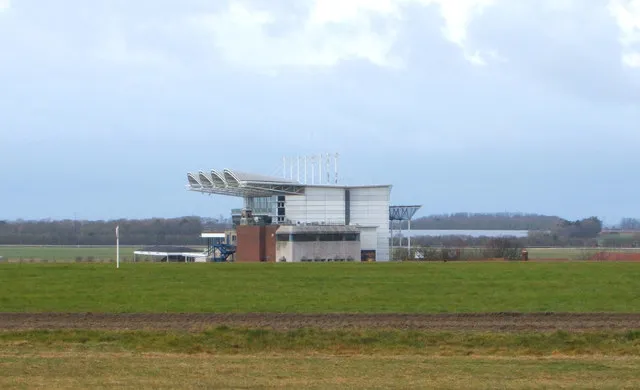
Photo: JThomas , CC BY-SA 2.0, via Wikimedia Commons
A Newmarket fixture list looks innocent enough. A few bold Saturdays, a scattering of midweek afternoons, the odd evening on the July Course, and a handful of dates that seem to exist purely to confuse anyone trying to book a train. But behind that list is a scheduling puzzle with more moving parts than the average parade ring. Racecourses apply, authorities allocate, media deals loom, trainers need notice, and the betting public wants a decent spread. The result is the calendar you scroll through — and once you understand the forces at work, it becomes a much more useful document.
Who actually moves the pieces
In Great Britain, the fixture list is not drawn up by one racecourse marketing department with a dartboard. The British Horseracing Authority administers the fixture allocation process, with racecourses submitting requests and the overall list shaped by a framework that considers competitiveness, horse welfare, participant travel, media coverage and the betting market. Newmarket's two courses — the Rowley Mile and the July Course — are operated by Jockey Club Racecourses, so their dates sit within a wider portfolio that also has to make sense for the group and for the sport as a whole.
That does not mean Newmarket gets whatever it asks for. A Saturday in early May is not simply a nice idea; it is a premium slot with pattern races attached, broadcast interest and a crowd that expects a proper occasion. The Guineas meeting, the July Festival, the Cambridgeshire meeting and Future Champions Day are anchor points around which the rest of the season is built. Move one and you do not just move a race day — you move a small ecosystem of trials, hospitality bookings, stable plans and local businesses.
Why the Saturdays bunch up
Saturday fixtures are the crown jewels of any British racecourse, and Newmarket is no exception. They draw bigger crowds, more media attention and stronger betting turnover. But they are also finite. The BHA has to avoid a situation where every course wants the same bank holiday weekend, so the allocation process spreads the best slots across the country while protecting the sport's biggest events.
For Newmarket, that means certain Saturdays are effectively fixed by history and pattern. The Guineas meeting is the first classic test of the season; the July Festival is summer's showcase; the Cambridgeshire is the autumn handicap that everyone tries to solve. Around those, Newmarket often takes a Saturday that fits the wider national picture rather than simply picking the most convenient weekend. That is why you sometimes see two attractive cards close together and then a gap. It is not randomness. It is compromise.
The quiet days are not accidents
Midweek Newmarket can feel like a different sport. The grandstands are calmer, the bars are easier, and you can hear the horses before you see them. Those days exist for good reasons. They give lower-grade horses a chance, they keep the race programme balanced, and they avoid clashing with bigger fixtures elsewhere. A Tuesday card at Newmarket may not pull in the same crowd as a Saturday, but it serves the sport's daily machinery: maidens, handicaps, young horses learning their job.
For racegoers, that is an opportunity rather than a disappointment. Midweek fixtures are usually cheaper, less crowded and easier to navigate. If you want to watch the parade ring without a stranger's rucksack in your ribs, a quiet Tuesday can be a smarter day out than a packed Saturday. The trick is to check what else is on nationally. A low-key Newmarket card often coincides with a major meeting at York, Ascot or Goodwood, which is precisely why it has been placed there.
Reading the calendar like a local
Start with the pattern, not the date. Look for the big meetings first — Guineas, July Festival, Cambridgeshire, Future Champions Day — then work backwards. Trials and prep races tend to sit two to four weeks before the main event, so if you want to see a potential classic contender before the crowds arrive, the earlier fixture is often the better bet. The racing is competitive and the atmosphere is more relaxed.
Second, check the day of the week before you book anything non-refundable. A Saturday fixture will always be busier and more expensive, but it also offers the fullest experience: more races, more hustle, more chance of a proper post-race debrief. A midweek card is better for a casual wander, a first-time racegoer or anyone who wants to talk to a trainer without feeling like they are holding up a queue.
Third, treat the fixture list as a living document. Weather, abandonments and late scheduling changes can shift things, and the going reports matter more than the poster. If you are planning a long trip, build in flexibility. Newmarket is not a resort where you can simply roll up and assume everything will run to time; it is a working racing town, and the calendar is a guide, not a guarantee.
What 2026 has shown
The 2026 season has followed the familiar Newmarket rhythm: a spring that builds towards the Guineas, a summer that peaks in July, and an autumn that mixes top-class pattern racing with the glorious chaos of the Cambridgeshire. The clusters are still there, the quiet days are still there, and the Saturday premium is as real as ever. What has changed is how easily racegoers can see the logic if they look for it. The fixture list is not a random assortment of dates; it is a chessboard, and Newmarket is one of the pieces that helps set the game.
So next time you open the calendar, do not just scan for a free weekend. Ask why that weekend is free, what else is happening, and whether the quieter Tuesday might actually be the smarter move. The people who set the dates are thinking about the whole sport. You only need to think about your day out — but a little insider logic goes a long way.