The Newmarket Registration Runaround: What to Sign Up For Before Race Day in 2026
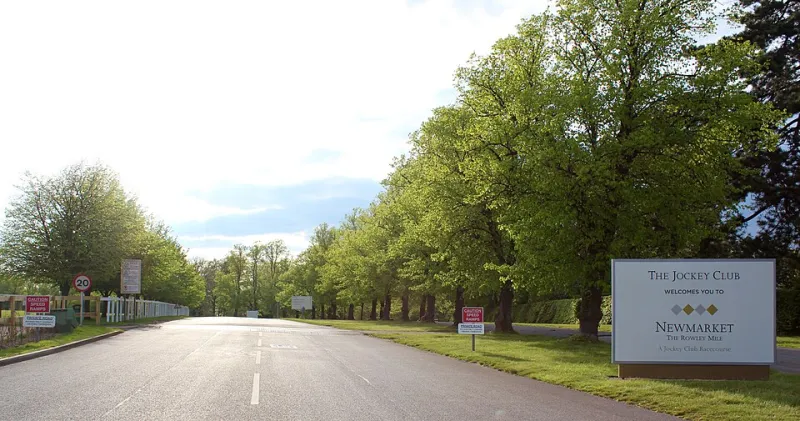
Photo: Alarnsen, CC BY-SA 4.0, via Wikimedia Commons
Type registration into a search bar and Newmarket can feel like a town with a hundred front doors. There is no single registration form for a race day. What you actually need depends on whether you are buying a ticket, joining a syndicate, parking a car, booking hospitality or simply trying to get the fixture list before your mates do. The good news is that most of it is straightforward once you know which desk you are standing at.
First, decide what you are registering for
The word registration gets used loosely around racing. Sometimes it means creating an account with Newmarket Racecourses so you can buy tickets faster. Sometimes it means the serious paperwork that comes with owning or leasing a racehorse. Sometimes it means registering for a newsletter, a ballot, a car park pass or an accessibility service. Before you fill in anything, ask yourself one question: what am I trying to receive? A ticket, a badge, a horse’s name in a racecard or just fewer emails you ignore?
Racecourse ticket accounts and annual badges
For most racegoers, registration starts with the racecourse itself. Newmarket Racecourses runs the Rowley Mile and the July Course, and its online ticket system will usually ask you to set up an account before checkout. That account is useful for keeping digital tickets in one place, retrieving order history and hearing about fixture changes. If you are thinking about an annual badge for 2026, register your interest early and read the terms properly. Annual badges are not the same as a season ticket at a football club: they usually come with conditions about named use, guest passes and which enclosures they cover.
Do not confuse a racecourse account with a formal membership. A ticket account is admin. A membership or annual badge is a commitment. If you only want a Tuesday in April, stick to the ticket account and save the paperwork.
Ownership, syndicates and Racing Club
This is where registration gets real. If you are joining a racing syndicate, a partnership or a racing club, you will be asked for identification and proof of address as part of anti-money-laundering checks. That is normal. The syndicate manager usually handles the horse’s official registration with the relevant racing authorities, but you should still receive clear paperwork setting out your share, the costs and what happens when the horse is sold or retired.
Newmarket is full of yards that offer ownership experiences, from micro-shares to full leases. Register your interest directly with the yard or syndicate, not through a random social media page. Ask three questions before you sign: what is the all-in monthly cost, what happens if the horse needs time off, and who communicates with owners on race day? If the answers are vague, the registration form is not the problem.
Parking, hospitality and accessibility registrations
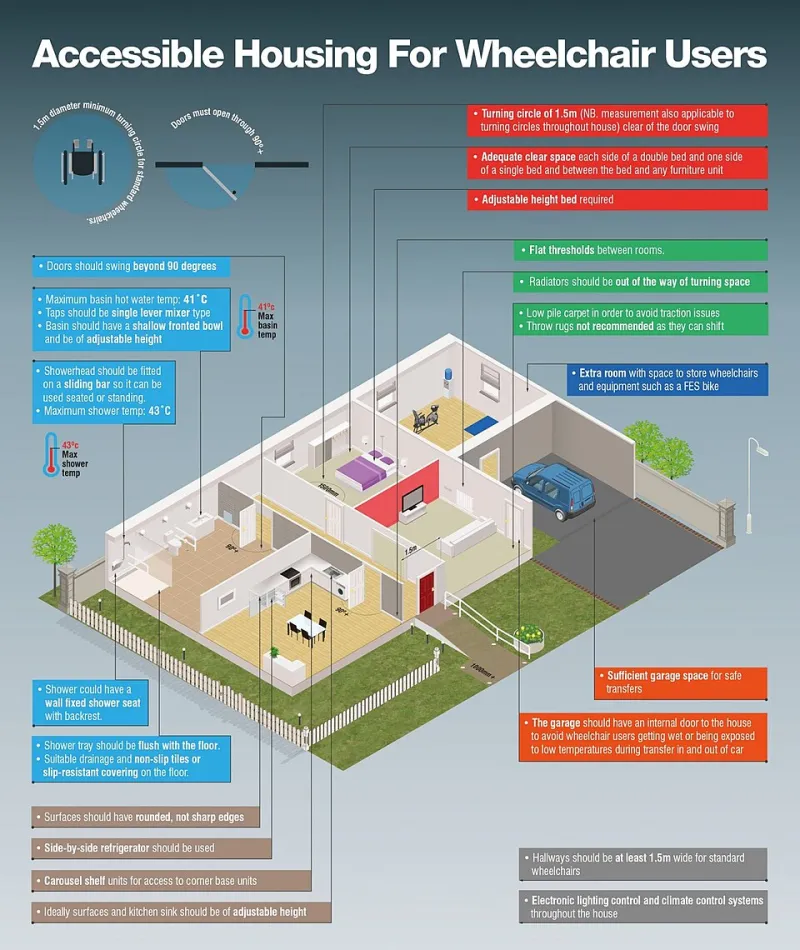
Car parking at Newmarket can be booked in advance for some fixtures, and blue badge parking usually needs to be arranged rather than assumed. If you need accessible seating, a companion ticket or a quiet route to the parade ring, register that need with the racecourse’s accessibility team as early as you can. Do not wait until the week of the meeting. Race days are busy, and the good spots go first.
Hospitality is another separate registration. A restaurant package, a private box or a sponsored day will often be handled by a different team from general tickets. If you are booking for a group, get the names and dietary requirements together before you start the form. It saves the email chain later.
Betting accounts and responsible gambling checks
If you plan to bet online on a Newmarket race day, you will need to register with a licensed bookmaker and complete age and identity checks. That is standard in the UK. Set your deposit limits at registration rather than after a bad afternoon. If you are only having a small flutter on course, you do not need an online account at all. Take cash or use a card at the track and keep it simple. Betting should be part of the day, not the reason the day goes wrong.
Newsletters, ballots and fixture alerts
Registering for fixture alerts is genuinely useful in 2026. Newmarket’s weather can change a going report, a race time or a whole meeting, and an email or app notification is better than finding out at the gate. The same goes for ballots and priority windows on popular fixtures. Register once with the official racecourse channels and ignore the unofficial lookalike sites that ask for too much information. If a form wants your mother’s maiden name to send you a fixture list, close the tab.
A simple 2026 checklist
For a normal race day: create or log in to your racecourse ticket account, buy or download your ticket, book parking if you need it, and check the accessibility page if you have specific requirements. For ownership: speak to the yard or syndicate directly, complete ID checks, read the costs and keep copies of everything. For hospitality: contact the racecourse team early and confirm names, timings and dietary needs. For betting: use a licensed operator, set limits and keep your account details secure.
When to ring the racecourse instead of clicking
The one thing registration forms are bad at is nuance. If you are bringing a wheelchair user, arranging a surprise proposal in the parade ring, registering a large group or trying to sort out a name change on a badge, ring the racecourse. A two-minute call can save a week of form-filling. Newmarket is a racing town, and the people behind the desks are usually more helpful than the FAQ page suggests.
Registration is not the glamorous part of a Newmarket race day. It is the bit before the bit. But get it right in 2026 and the rest of the day is just the walk to the rail, the first roar and the long, happy trudge back to the car park.