Paying Up Front on the Heath: A Racegoer’s Honest Audit of Newmarket Annual Badges
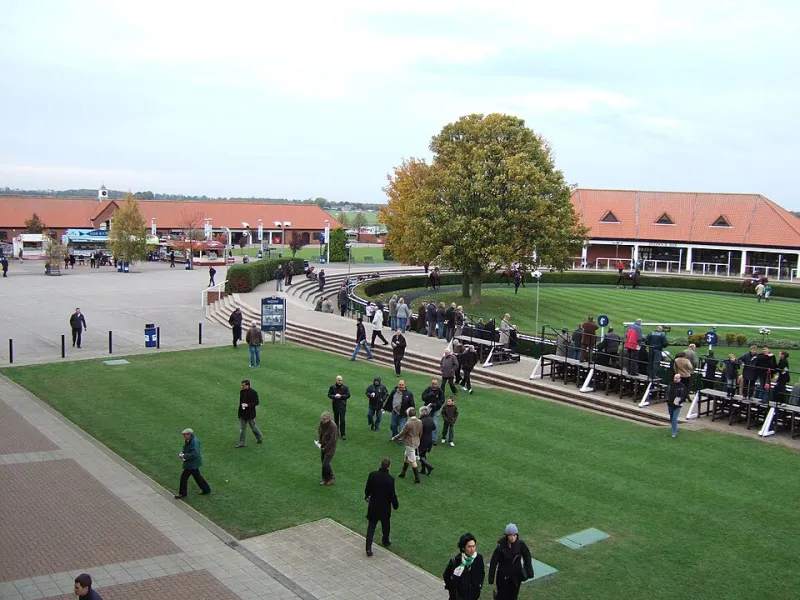
Photo: Richard Humphrey , CC BY-SA 2.0, via Wikimedia Commons
The renewal email lands at roughly the same point every year: the nights are drawing in, the Rowley Mile has that end-of-season quiet about it, and suddenly you are being invited to commit to next season before this one has properly left the building. An annual badge at Newmarket can look like a lovely idea. It also looks like a bet. Not on a horse, but on your own future behaviour.
That is the honest way to assess it. A season membership is not really a discount voucher. It is a prediction that you will turn up often enough to make the upfront cost look sensible. For some racegoers, that prediction is easy. For plenty of others, the badge ends up as an expensive reminder that summer Saturdays fill up fast and midweek racing is easier to talk about than to attend.
So, as the 2026 season closes, here is a practical audit rather than a sales pitch.
What the badge actually buys
The core of any Newmarket annual badge is admission across the racecourse’s fixtures, subject to the tier you choose and the terms attached to it. Beyond that, the useful extras tend to be the unglamorous ones: parking, priority booking windows, guest tickets, access to particular bars or viewing areas, and sometimes reciprocal arrangements with other courses.
The mistake is buying for the badge itself. A lanyard does not make a wet Tuesday warmer. What matters is whether the membership changes how often you say yes. If it removes the small friction of buying a ticket, checking the weather and persuading a friend, it can be genuinely valuable. If it simply sits in a drawer between July and October, it is an expensive piece of plastic.
The break-even arithmetic
Prices vary by tier and by when you renew, so treat any figure here as illustrative rather than a quote. But the maths is simple enough to do with a pencil.
Suppose a mid-tier annual badge costs around £400. Suppose your realistic blended day-ticket average is £35, once you mix a few midweek meetings with the odd Saturday. That is roughly 12 race days before the badge pays for itself on admission alone. Add parking at a fiver or so a day and the break-even point comes down a little. Add a guest ticket or two and it comes down further.
Now flip it. If you attend six days, that £400 badge is costing you about £67 per visit before you have bought a coffee. If you attend twenty, it is £20 a visit and starts to look like one of the better deals on the Heath. The badge does not get cheaper because you like racing. It gets cheaper because you go racing.
Wet Tuesday versus sold-out Saturday
This is where the brochure version and the real version diverge.
On a wet Tuesday, a badge is at its most useful. You can decide at short notice, roll up, shelter in a covered stand and not feel as though you are trying to extract value from a precious day ticket. The course is quieter, the bars are easier and the whole thing feels less like an event and more like a habit. For local racegoers with flexible diaries, that is the sweet spot.
On a sold-out Saturday, the badge is more complicated. Priority booking and member areas can help, but they do not magically create space on the rail or guarantee a dry seat. If your racing year consists mainly of the biggest July Course Saturdays and the Rowley Mile’s feature autumn days, a badge may be less about saving money and more about buying convenience. That can still be worth it, but be honest about which one you are doing.
The perks that actually matter
Parking is the quiet hero. If you drive to Newmarket regularly, included or discounted parking can make a real dent in the annual cost. Guest tickets are the next most useful perk for anyone who treats racing as a social occasion. Priority booking matters if you refuse to miss the big days. A members’ area is pleasant, but only if you will use it rather than merely walk past it on the way to the paddock.
Less useful, at least for most people, are the bits that sound impressive in a brochure but do not change a decision. A badge holder is not a personality. A reciprocal day at a course you never visit is not a benefit. The question to ask is brutally simple: will this perk save me money or make a day easier in the next twelve months?
Who should buy
A Newmarket annual badge makes most sense for the local racegoer who goes ten or more times a season, values the flexibility of a midweek afternoon and tends to bring guests. It suits people who live close enough that a two-hour visit is not a major expedition. It also suits anyone who has worked out that parking and guest passes close the gap on the headline price.
Who should stick to day tickets? The once-a-year visitor. The holidaymaker who comes for one summer Saturday. The racegoer who only wants the biggest fixtures and would rather pay for exactly those than subsidise the rest. And anyone whose diary is so unpredictable that a season membership would become a source of guilt rather than pleasure.
How to test it before committing
Do not renew on a whim. Buy day tickets for three different Newmarket fixtures in 2027: one midweek, one ordinary weekend and one bigger day. Keep a note of what you actually spend, including parking, food, a drink and any guest. Then compare that total with the membership tier you are considering.
Ask the racecourse what the upgrade rules are, whether any day-ticket spend can be put towards a badge, and what happens if fixtures are lost. Read the renewal terms. If you are close to the break-even point, the answer may depend on how much you value the flexibility rather than the pure pounds and pence.
A season badge is a fine thing when it matches your life. It is a poor thing when it matches your intentions. In 2026, the Newmarket annual badge remains good value for the frequent local racegoer and questionable for the occasional one. Do the arithmetic, look at your calendar, and then decide. The badge should follow the habit, not create a fantasy version of it.