Midweek, Mid-Summer: The Case for a New Newmarket Festival
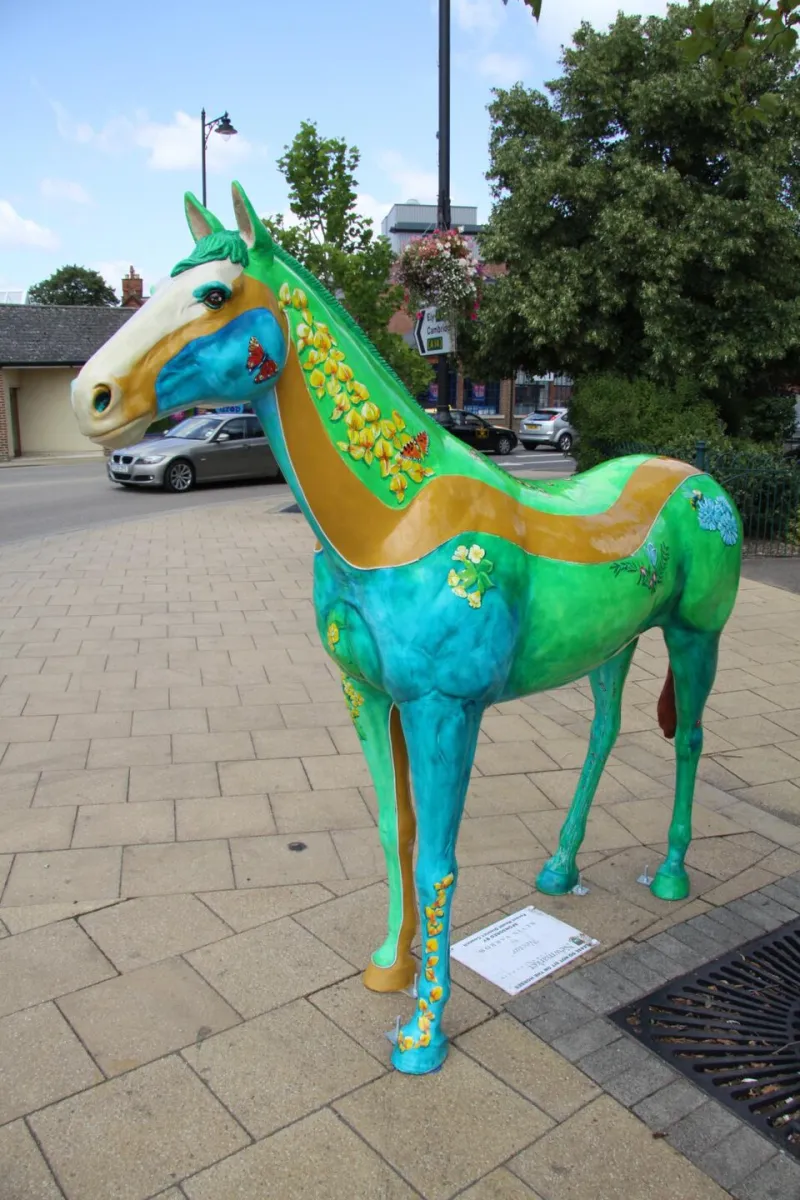
Photo: Dave Catchpole, CC BY 2.0, via Wikimedia Commons
Newmarket is not short of racing in summer. The July Festival is the headline act, the July Course has its Saturday fixtures, and there are family days, music nights and evening meetings scattered through the season. But look closely at the calendar and there is a gap. Not a dramatic one, and not a criticism of the racecourse's current programme. More of an opportunity.
That opportunity is midweek. Specifically, a mid-summer midweek festival aimed less at the traditional racing break and more at people who live within half an hour of the course.
The gap is real
Most of Newmarket's biggest summer dates ask something of the visitor. They ask for a full day off, or a expensive ticket, or a long drive home after a late finish. That is fine for the July Festival, which is a destination event. But it leaves a lot of local people on the sidelines.
A midweek festival would not need to compete with the July Festival. It should sit away from it, probably late July or early August, and run from late afternoon into the evening. Think Tuesday to Thursday, gates at 4pm, first race around 5.30pm, last race around 8.30pm. It is a slot that works for after-work crowds, families with older children, and anyone who fancies a pint and a few races without giving up a whole Saturday.
What works elsewhere
Midweek racing is not a wild experiment. Chester's May Festival has shown that a midweek crowd can be a proper crowd when the racing and the city work together. Windsor has made Monday and evening fixtures feel like a social occasion rather than a niche one. Ripon and Beverley have built loyal local followings around weekday meetings. None of these are direct comparisons, but they share a simple idea: make it easy to turn up after work, keep the ticket price sensible, and give people a reason to stay.
The mistake would be to copy a Saturday fixture and simply move it to a Tuesday. A midweek festival needs a different rhythm. Less formality, more food stalls, a shorter card, and a clear end time that lets people get the last train or drive home at a reasonable hour.
A realistic format for 2027
The first edition should be modest. Three days, six races a day, and a ticket price that does not make locals think twice. Something like £15 for advance adult admission, free for under-16s with an adult, and a reduced after-5pm ticket for anyone coming straight from work. Call it a townie ticket if you like. The point is to signal that this is not a premium fixture.
On course, the emphasis should be on the bits that work for a midweek crowd: a proper food area with local vendors, a covered bar, a family zone with something more interesting than a bouncy castle, and a short parade or paddock talk for people who do not know much about racing. Music after the last race is fine, but it should not be the main event. The racing has to be the reason people come back.
Parking and transport are the make-or-break details. A park-and-ride from the town centre or the station would help. So would a later train back towards Cambridge if that can be arranged. If people think the only way home is a expensive taxi, the after-work crowd will stay at home.
The local angle
Newmarket has a strong card to play here: the town itself. A midweek festival could lean into that. A breakfast or stable tour in the morning, a pub trail in the afternoon, and racing in the evening. Local businesses could buy into a ticket bundle. Hotels could offer a midweek rate. It would not need to be complicated, but it would need to be deliberate.
The racecourse already does plenty for the local community. This is not about asking for more. It is about recognising that there is a part of the market that the current summer calendar does not quite reach: people who love racing, or would love it if it fitted their lives, and who cannot justify a full Saturday at the July Course.
The risk of doing nothing
The risk is not that Newmarket loses its big summer days. It will not. The July Festival is secure. The risk is that a generation of local people grows up thinking race days are for visitors, not for them. A midweek festival would not solve that on its own, but it would send a useful signal: come as you are, after work, with the kids, for a couple of races and a burger.
If the racecourse tried it in 2027 and it did not work, it could be quietly shelved. That is a manageable experiment. If it did work, Newmarket would have a summer fixture that feels genuinely its own. For a town so closely tied to the sport, that seems worth a try.