Silk, Steam and Signal: A 1926 Racegoer's Field Notes on Newmarket in 2026
Arthur last came to Newmarket in 1926. He wore a bowler hat, carried a leather binocular case and expected a day of tweed, tobacco smoke and chalk boards. I meet him — in my imagination, at least — on a grey November Saturday in 2026, and we walk from the town towards the Rowley Mile. His first question is whether the train still stops at Newmarket. It does. His second is why everyone is staring at a small glowing rectangle. That takes longer to explain.
This is not a séance. It is a practical exercise: what would a century-old racegoer recognise, what would make him drop his pocket watch, and what can today's visitor learn from the things that have survived?
The journey in: charabanc to contactless
In 1926, Arthur might have arrived by train, by charabanc or in a borrowed motor car, with a hamper and a flask. The roads into Newmarket were busy then, too — the town has always had a one-industry rhythm — but the race-day crawl was slower and smellier. In 2026 the trains still run from Cambridge and Ely, the taxis still queue, and the car parks still fill. What has changed is the planning. Tickets are on phones, parking is pre-booked, and the racecard is as likely to be a PDF as a folded paper.
Arthur would approve of one thing: the walk. Newmarket is a racing town before it is a racecourse, and the stroll from the High Street to the course remains the best way to feel the day build. He would not approve of my trainers.
The stands have changed; the Heath has not
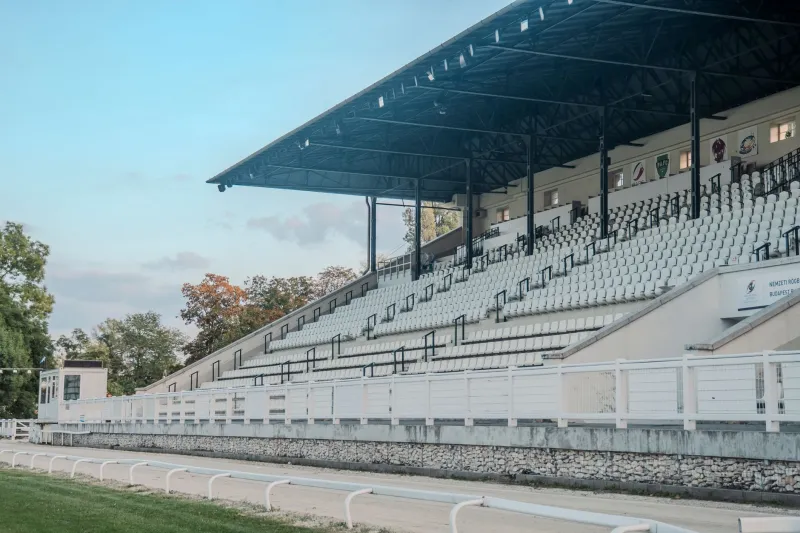
The biggest shock would be the architecture. The Rowley Mile stands have been rebuilt, extended and glazed since his day; the big screen, the PA system and the replay boards would seem like magic. In 1926 there were no starting stalls — horses were sent away by tape or flag — and no photo finish to settle the tight ones. Arthur would stare at the giant screen, then at the real horses, then back at the screen, as if checking which was the illusion.
But look beyond the glass and steel. The Rowley Mile is still the Rowley Mile. The Dip still swallows horses and spits them out. The Heath still rolls away to the left, and the going still decides more races than the form book. Arthur would recognise the shape of the track before he recognised the stands, and that feels like the right order of things.
The rituals that never left
The parade ring is where the century collapses. Silks, sweat, stable lads, owners pretending not to be nervous, jockeys walking out with that particular mix of calm and coiled energy — it is all still there. The weighing room is still the weighing room, even if the scales are digital and the valets have better kit. The pre-race walk from the paddock to the track remains one of the great free shows in British sport.
Arthur would also recognise the talk. Ground, draw, pace, jockey bookings, whether the favourite is on the steel or grown a leg. The language of the racecourse has barely changed, even if the delivery has. In 1926 the rumours travelled by word of mouth and evening paper. In 2026 they travel by group chat before the horses have reached the start.
The betting ring: chalk to click
This is where Arthur's head would spin. In his day the ring was a theatre of blackboards, tic-tac, credit and loud men in long coats. The Tote did not arrive until 1928, so the modern racegoer's Tote trifecta would mean nothing to him. Today the same space is a mix of on-course bookmakers, card readers, apps and screens. You can still take a price from a human being, which is the bit I would urge Arthur to cling to, but you can also bet from your seat without moving.
The advice for 2026 visitors is boring and true: set a budget before you go, keep cash for the smaller independent traders, and treat the betting slip as entertainment rather than a pension plan. Arthur would have understood the budget part. He would have been baffled by the idea of a betting app that tells you when you have spent too much.
Dress, food and the modern paddock
Arthur's Newmarket was a hatted place. Women in gloves, men in collars, a general sense that you had dressed for the occasion rather than the weather. In 2026 you will still see hats, especially on the bigger days, but the dress code has loosened to smart casual in most enclosures. Jeans are fine; offensive slogans are not. Comfortable shoes are the real status symbol, because Newmarket's lawns and walkways are not a fashion show.
Food has changed more than fashion. The hamper and the flask have given way to street-food vans, coffee queues, champagne bars and more vegan options than Arthur could count. The pubs in town still do a roaring trade after the last race, and the fish and chips still taste better when you have been standing in a cold wind for six hours. Some things are beyond historical analysis.
What would stop him in his tracks
The phones. The big screen. The accessibility ramps and lifts, which would seem impossibly civilised. The number of women in the weighing room and the training yards, the children on the lawns, the families treating a race day as a day out rather than a gentlemen's club. The cashless bars, which would make him pat his pockets in panic. The fact that you can watch a replay before the horses have pulled up.
He would also notice what has not changed: the cold. Newmarket in November is a test of character in any century.
What he'd recognise in a heartbeat
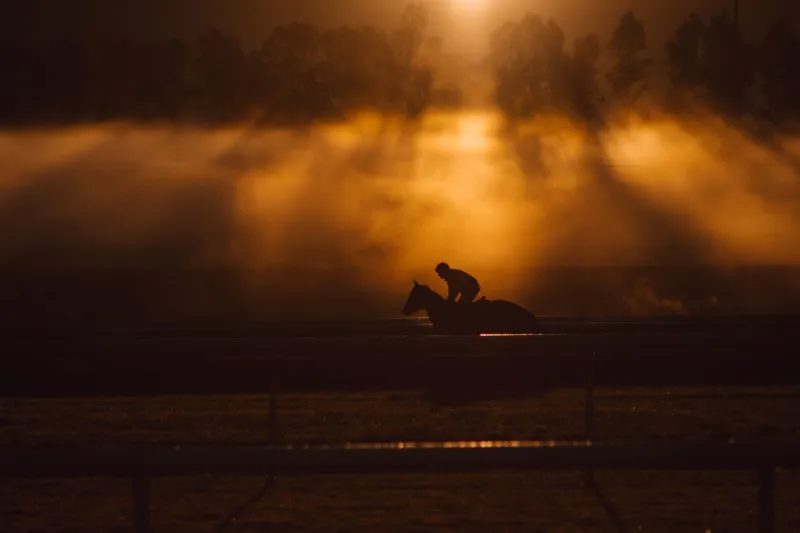
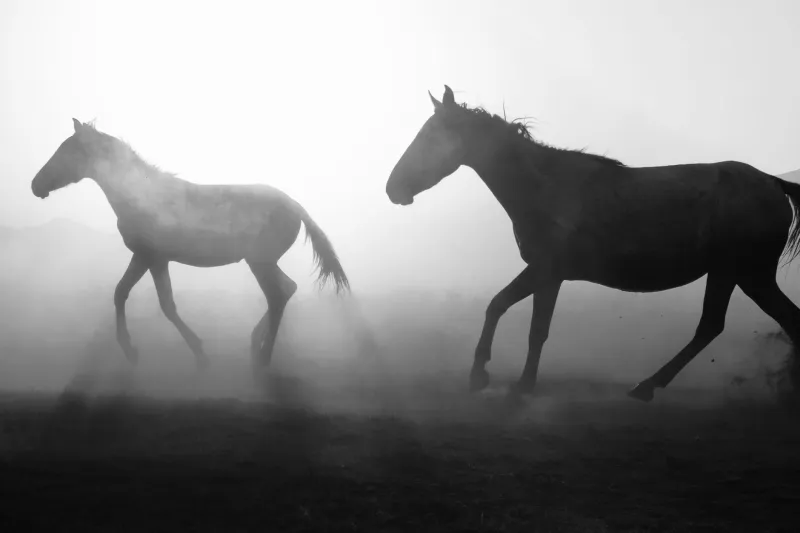
The Heath at dawn. The clip-clop of horses heading to the gallops. The smell of a stable yard. The argument about the going. The roar — or the lack of it — as they jump off. The walk back into town with a pocket full of losing tickets and a head full of what ifs. The town's slightly battered pride and its absolute certainty that it is the centre of the racing universe.
That is the real answer to the question. A 1926 racegoer would not recognise the tills, the tickets or the technology. But he would recognise the horses, the ritual and the feeling. Newmarket has changed its clothes, not its bones.
A 2026 race-day checklist, with Arthur's approval
- Book tickets and parking in advance; check the going and the weather.
- Arrive early enough to see the parade ring before the first race.
- Bring binoculars. Arthur insists. They still beat a phone screen.
- Dress for the weather, not for Instagram. A waterproof is a century-proof garment.
- Carry a card and a little cash; not every burger van is contactless.
- Set a betting budget before you leave the house.
- Stay for the walk back into town. It is part of the day.
Arthur would have one final complaint: the coffee is better now, but the queues are longer. Some progress is complicated.