First Flutter: A Newcomer's Field Guide to Betting at Newmarket
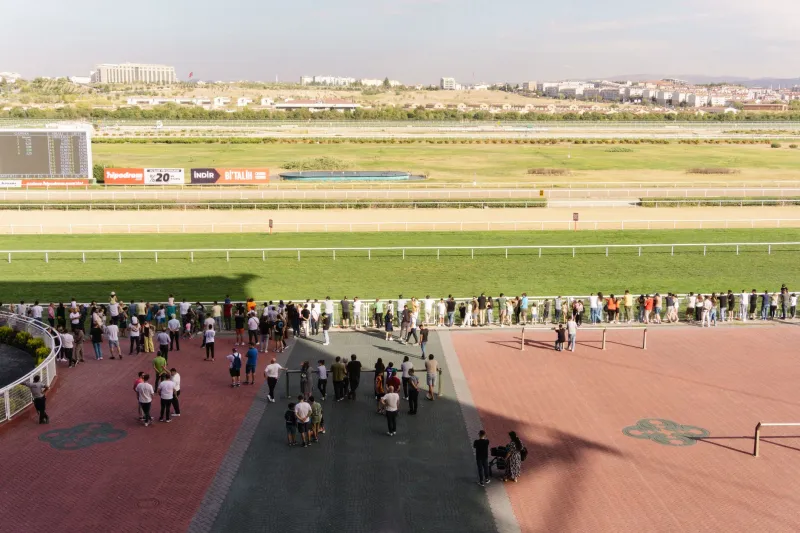
There is a moment on a Newmarket race day when the crowd turns towards the betting ring and everything seems to speed up. Boards are chalked, numbers flicker, and a bloke in a flat cap is making hand signals that look like a secret code. If you have never placed an on-course bet before, it can feel like arriving halfway through a conversation everyone else has been having for years.
It need not be intimidating. The betting ring is one of the great free shows in British sport, and you do not have to join in to enjoy it. But if you fancy a small flutter, a bit of preparation makes the whole thing far more enjoyable. This is our beginner's guide for 2026, written for people who want to understand what is going on without pretending to be a seasoned punter.
Start with a plan, not a tip
The most useful thing you can bring to Newmarket is not a lucky pin or a mate who once backed a 50-1 winner. It is a budget. Decide before you leave home what you are happy to spend on the day, and treat that money as the cost of entertainment, not as an investment.
A sensible approach is to split your budget into small, equal bets rather than lumping it all on the first race. If you have £40 for betting, think in terms of four £10 bets or eight £5 bets. That way one bad race does not end your afternoon. It also keeps the day relaxed. Newmarket is a long old day, especially on the Rowley Mile, and there is a lot of walking between the parade ring, the stands and the betting areas.
Cash is still useful, though many on-course bookmakers now take card payments. Smaller independent layers may prefer notes, and a bit of cash helps you keep track of what you have spent. Check before you assume, and never feel pressured to bet in every race.
The ring, decoded
The betting ring is simply the area where on-course bookmakers stand, each with a board showing the odds they are offering. In the old days, tic-tac men used hand signals to relay prices around the ring. You will still see traces of that culture, but most modern communication is digital and the boards do the talking.
Each bookmaker will display a price for every horse in the race. The shorter the price, the more likely the horse is thought to be. A horse at 2-1 is considered a strong contender; one at 33-1 is a long shot. The bookmaker is not offering you a favour. They are running a business, and their prices are set to make a margin across the race. That does not mean you cannot find a good bet, but it does mean you should shop around.
Do not just take the first price you see. Walk the ring, compare a couple of boards, and look for the best available odds on the horse you fancy. It takes a minute and it is part of the fun. If the queues are long, remember that the horse will not wait. Prices change, races start on time, and the ring can get frantic in the final few minutes.
Tote versus bookie: the short version
The tote is the pool betting operation on course. Instead of taking a fixed price from a bookmaker, you are betting into a pool, and the payout depends on how much money is in the pool and how many people backed the winner. The odds are not fixed at the moment you place the bet.
For a beginner, the tote is simple to use and often has shorter queues. You can ask for a win or each-way ticket, and the staff are used to first-timers. The trade-off is that you do not know your exact return until the race is over. Bookmakers offer a fixed price, so you know what you will get if your horse wins.
Neither is automatically better. If you want certainty, a bookmaker is straightforward. If you like the pool concept or want a quick flutter without hunting for the best price, the tote is fine. Just do not expect the tote odds to match the board prices exactly.
What it actually feels like to place a bet
It is surprisingly simple. Pick your horse, note the race number and the horse's number, and join a queue. When you reach the bookmaker, say something like: 'Number four, ten pounds to win.' The bookmaker will take your money, hand you a slip, and that is that.
For an each-way bet, say 'each-way' clearly. Each-way means you get a return if the horse finishes in the places as well as if it wins, but it costs double the stake. A £5 each-way bet costs £10. If you are unsure, ask. On-course bookmakers are generally happy to explain the basics, though they will be less chatty in the final minutes before a race.
Keep your slip safe. You will need it to collect any winnings. If you lose, do not linger at the counter trying to work out what went wrong. Step away, watch the replay on the big screen, and move on.
App or apron? On-course versus phone
Betting on your phone is convenient. You can set up an account before you travel, place bets in seconds, and avoid the crush at the ring. The odds are often competitive, and you can track your spending more easily. For casual fans who mainly want to watch the racing, an app is a sensible option.
But there is something about betting on course that an app cannot replicate. The ring has atmosphere. You can see the bookmakers react to money coming in, hear the roar as the field jumps off, and feel part of the crowd. It is also easier to stick to a budget when you are handing over cash or tapping a card for a specific bet rather than clicking through an account.
The practical answer for many first-timers is to do both. Use an app for research and maybe one or two bets, but save a tenner for the ring. Treat the on-course bet as part of the experience, not the main event.
When to tear up the slip and watch
Not every race needs a bet. In fact, some of the best afternoons at Newmarket involve no betting at all. The parade ring is the place to see the horses before the race, and the stands give you a view of the whole sweep of the course. If you have had a tough start, resist the urge to chase your losses. That is how a fun day becomes an expensive one.
Set yourself a simple rule: when the betting budget is gone, it is gone. Watch the racing, have a pint, and enjoy the atmosphere. The horses do not care whether you have a slip in your pocket.
Betting should be fun, and it should never feel like a financial plan. If you are worried about your gambling, support is available through GambleAware and other UK services. On course, staff can point you towards responsible gambling information.
Newmarket in 2026 is a brilliant day out, whether you bet or not. The ring is part of the theatre, but it is not the whole show. Learn the basics, keep your stakes small, and give yourself permission to simply watch. That is the real beginner's tip.